
So. . . You’ve Decided to Become Whimsical
BERKELEY, Calif. - We're all chasing individuality from the same catalog.
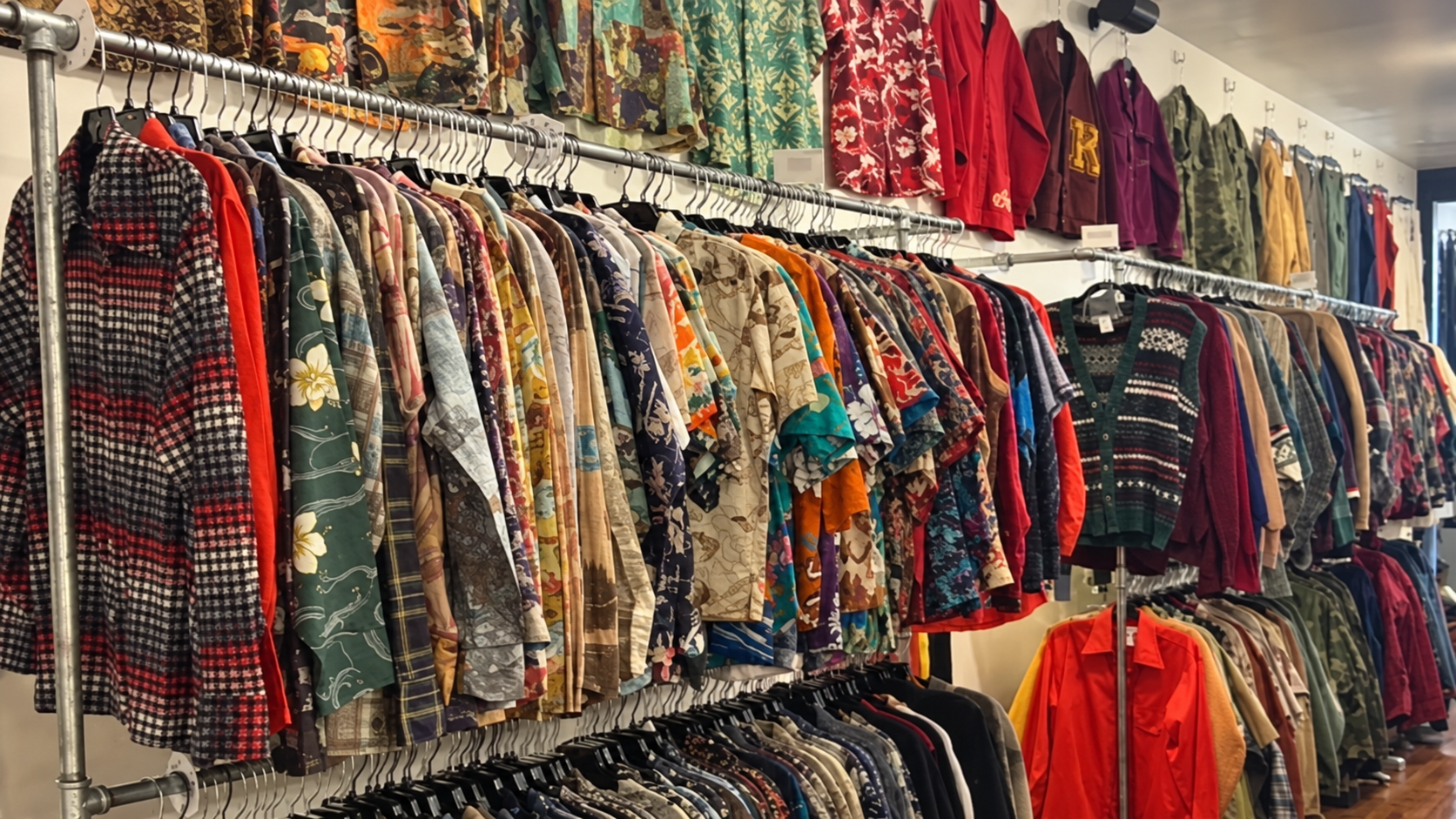
Photo courtesy of Kiki Whitman
There are only so many times you can say, "I'm so cooked," before something inside you changes. It can start after midterms, after your fifth lunch at Local X, or even after spending just a little too much time with your friend in DG or ADPI. One day you're color coding your Google Calendar, speed walking across campus, matcha in hand, convinced that productivity is a personality trait; then seemingly overnight you say the words every Berkeley student eventually says to themselves:
"How do I become whimsical?"
It’s easy to laugh at until you realize how familiar this thought feels.
Every generation has had its trends. What’s different today is that our purchases have become part of a language. Marketing researchers have spent years documenting how brands sell lifestyle and personalities rather than products while social media algorithms reward images that communicate a recognizable type of person. Consumerism hasn't disappeared; Rather, it's evolved. Instead of asking, “What do I want to own?”It asks, “who do you want to become?”
That's why the idea of becoming whimsical feels instantly recognizable. It sounds like self-discovery, but it's really self-construction. Products like linen pants and film cameras aren't just personal preferences. They're a visual shorthand for a collection of cultural buzzwords—authenticity, intentional living, simplicity, minimalism, and creativity—that have come to define what an interesting or well-lived life is supposed to look like.The whimsical era isn't merely even about fashion. It’s about participating in an identity that's already packaged and made to feel authentic.
Once you’ve noticed it, you start seeing the checklist everywhere.
The Berkeley Whimsical Starter Pack™
You'll know you've entered your whimsical era if you can relate to at least three of the following:
A film camera with an undeveloped roll from last semester
$300 worth of Urban Outfitters or Free People on its way
A semi-performative matcha
A pair of jorts you “thrifted” (aka bought from a depop reseller)
Tanning on the Glade to "clear your head.
A freshly uploaded ig post of pictures outside a bookstore you didn’t go into
Saying things like, "I need to reconnect with myself," "I need to romanticize my life," and, of course, "I just want to look whimsical"
Perfecting your ig grid color scheme
Briefly considering pottery, watercolor, sewing, rock climbing, or baking sourdough as your new personality.
Caring a lot but acting like you don’t
Some skirts you bought on your friend group spring break Europe trip
A pair of Rainbows
If you’ve somehow escaped the whimsical epidemic, this list probably reads like complete nonsense. But that’s exactly the point. Why is everyone suddenly wearing linen? Why does every Instagram feed look the same? Why does every girl own four pairs of BDG pants in slightly different shades of beige? More importantly, why do any of these even belong in the same category?
The answer is that they shouldn’t. A film camera has nothing to do with Rainbows, and Instagram has nothing to do with linen pants. Yet, somehow they’ve become part of the same Berkeley cultural vocabulary.
Berkeley students aren't any less original than anyone else. We just live in a culture that becomes remarkably good at turning originality into something recognizable and, therefore, marketable.
Somewhere along the way, we stopped asking ourselves, “Who am I?” and started asking, “What kind of person do I want other people to think I am?”
It's a subtle shift, but it changes everything.
Instead of stumbling into hobbies because they're enjoyable, we subconsciously choose hobbies that fit the version of ourselves we're trying to project. We don't just read books, we display them. We don't just bake sourdough, we photograph it. We don't just thrift, we tell everyone we thrifted it. The experience itself slowly becomes secondary to what it communicates.
Ironically, the aesthetic marketed as effortless requires an extraordinary amount of effort.
Looking whimsical means looking like you don't care what anyone thinks while caring deeply about every tiny detail: your clothes should appear accidentally perfect; your hair should look like it naturally falls that way; your apartment should feel lived in, but only in the aesthetically pleasing corners; and your Instagram should seem spontaneous despite taking fifteen minutes to choose which blurry film photo best communicates that you're "living in the moment."
The performance isn't just expensive financially, it's exhausting emotionally.
Because if your identity is something you build through consumption, you're never actually finished building it. There's always another aesthetic, another Pinterest board, another capsule wardrobe, and another $70 pair of pants that promises you'll finally become the person you've been trying to be.
That's what makes this kind of consumerism so effective. It doesn't convince you to buy things because you need them. It convinces you to buy things because maybe, just maybe, they'll help you become someone else.
And maybe that's why everyone ends up looking the same.
We're all chasing individuality, yet we are all drawing from an identical catalog of what "standing out" is supposed to look like.
The whimsical era, then, isn't really about linen pants or film cameras or even Rainbows at all; instead, it's about a generation that has mistaken fluency for individuality. We’ve learned the language of authenticity so well that we all end up saying the same thing.
And if that’s true, then this article probably won't change anything. Because recognizing the language isn't the same thing as forgetting how to speak it.
Which I guess, is exactly how consumerism wins.